Episode 33: Move Up in Healthcare Without Leaving Your Job | Online Education & Leadership
Guest:
Michele Poulos, MEd
Director of Online Education
Pima Medical Institute
Ready for your next step in healthcare, but worried about fitting school around work and family?
Explore how online education can help you pursue healthcare administration and leadership while continuing to work.
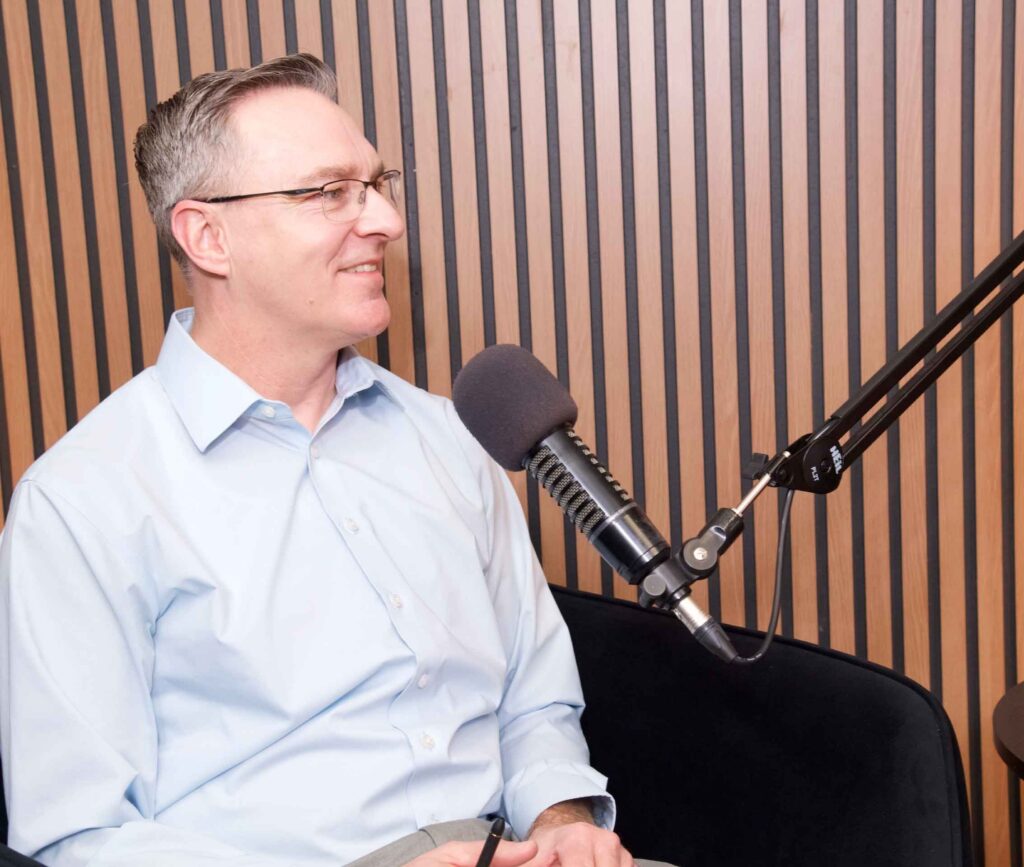
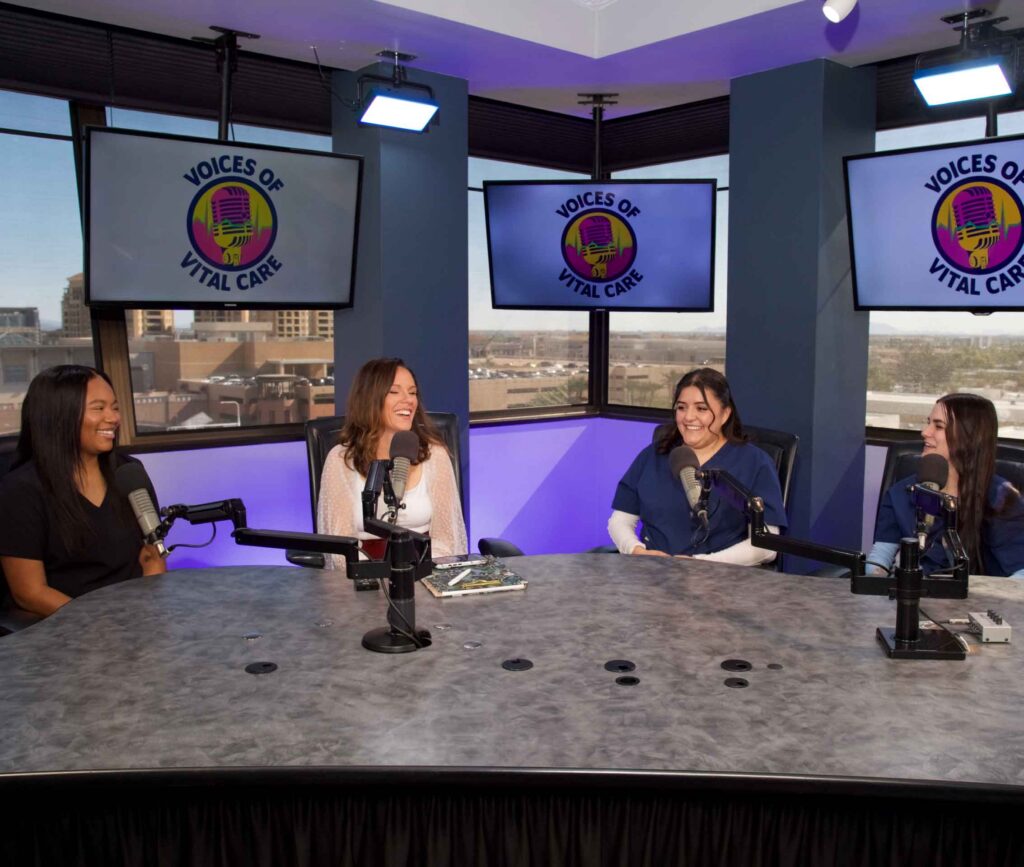
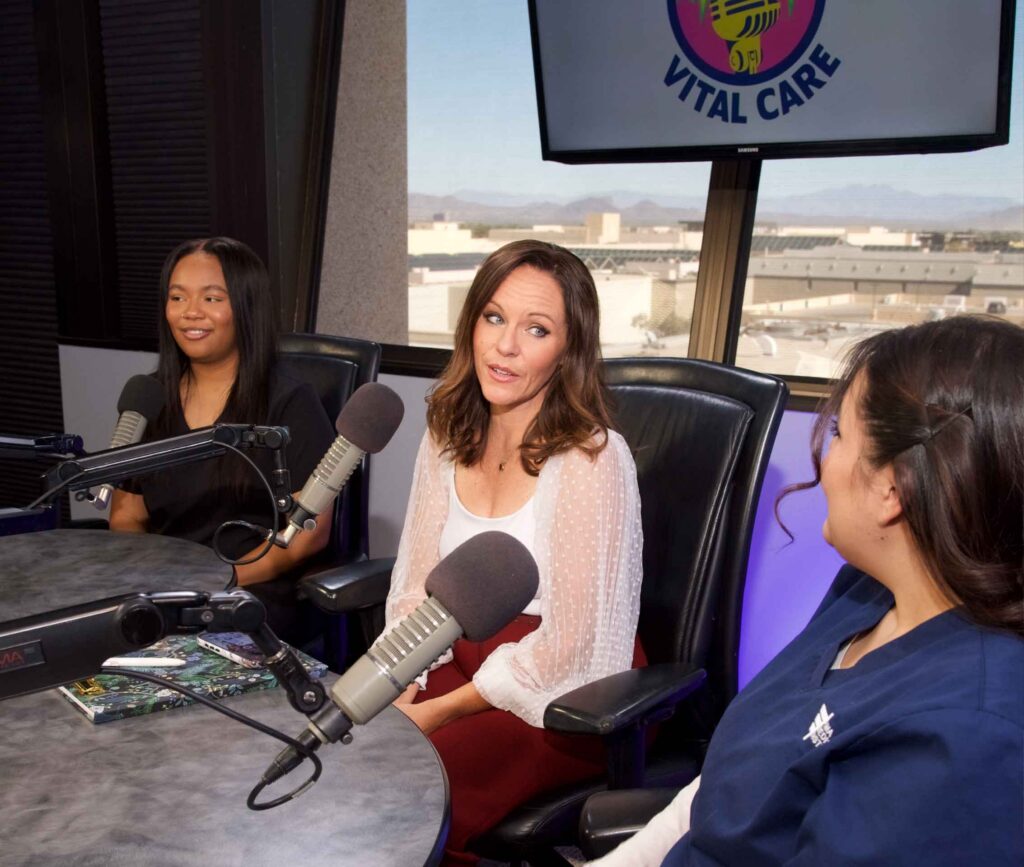
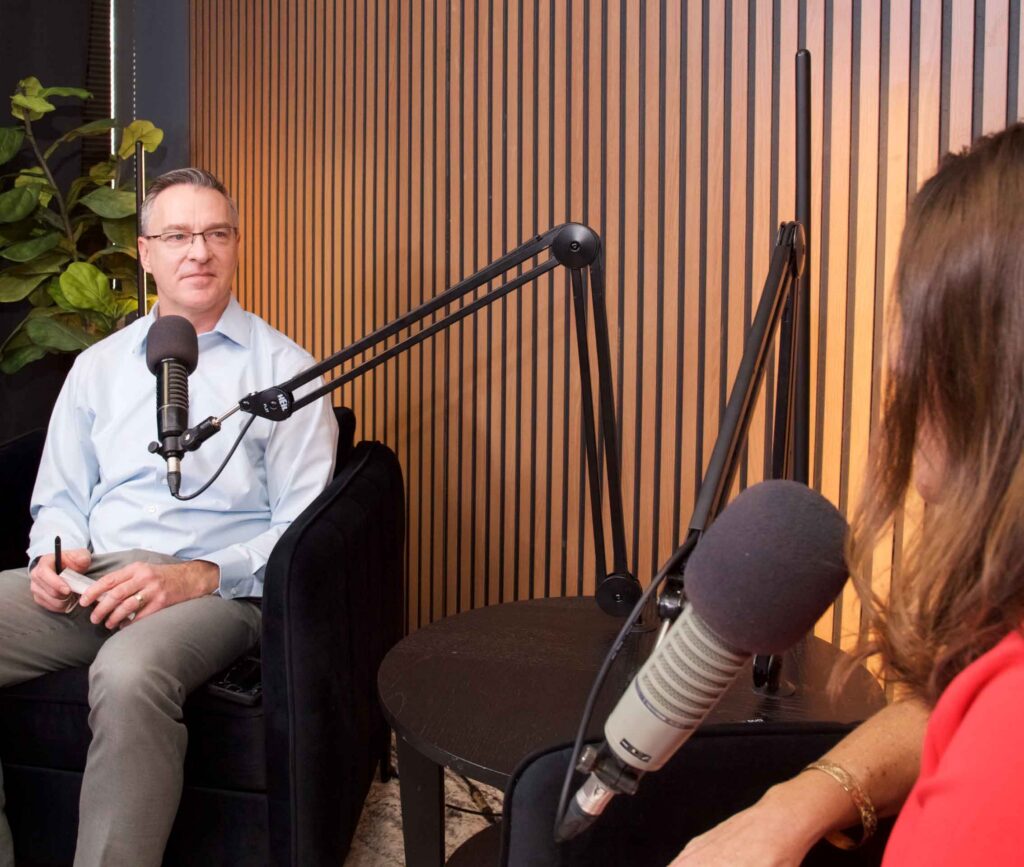
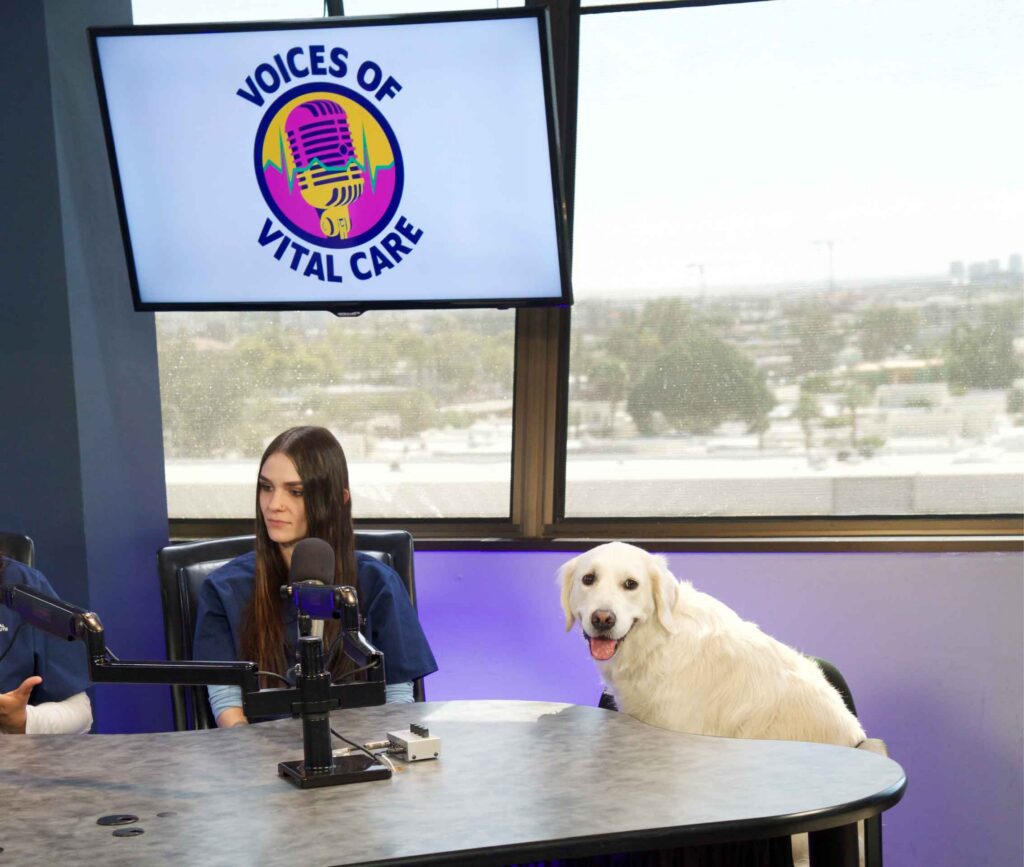
In this episode of Voices of Vital Care, host Nohelani Graf talks with Michele Poulos, Director of Online Education at Pima Medical Institute, about returning to school, building on your healthcare experience, and preparing to lead a team.
Michele explains what a typical week of online learning looks like, how students access tutoring and academic support, and why healthcare administration plays a critical role in patient care.
She also walks through Pima Medical Institute’s online education pathways, from the Medical Administrative Assistant (MAA) certificate to the Health Care Administration (HCA) associate degree, Bachelor of Science in Health Care Administration (BSHA), and Master of Science in Organizational Leadership (MSOL).
In this conversation:
• Balancing online learning with work and family responsibilities
• Establishing habits that help students stay on track
• Understanding healthcare administration careers and their impact on patients
• Exploring transfer credits and building on previous education
• Developing communication, listening, and leadership skills
• Recognizing the value of the experience you already bring
Whether you’re a medical assistant, an administrative professional, a clinician considering leadership, or someone exploring a healthcare career change, this episode helps you understand your options and consider your next step.
As Michele reminds us: “There is no just in healthcare.”
Subscribe to Voices of Vital Care for conversations about healthcare careers, education, and the people who make patient care possible.
The views, thoughts, and opinions expressed in this podcast are solely those of the host and guests, and do not necessarily reflect the official policy, stance, or position of Pima Medical Institute.
#HealthcareCareers #OnlineEducation #HealthcareAdministration #HealthcareLeadership #PimaMedicalInstitute #VoicesOfVitalCare
00:00 There Is No “Just” in Healthcare
00:31 Advance Your Healthcare Career While Working
01:42 Online Learning Doesn’t Mean Learning Alone
02:47 Choosing Your Next Career Step
03:35 A Graduate’s Story: Confidence, Family, and Growth
05:45 What a Typical Week of Online School Looks Like
07:45 Making Room for School in a Busy Life
08:56 Returning to School: Tutoring and Student Support
10:45 One Daily Habit to Stay on Track
11:46 How Healthcare Administration Supports Patient Care
13:32 When Scheduling Decisions Affect Patients and Staff
15:46 Healthcare Education Pathways: MAA, HCA, BSHA, and MSOL
19:15 Can You Change Paths Without Starting Over?
20:28 How Transfer Credits Are Reviewed
21:26 Matching Your Degree to Your Career Goals
22:32 Moving from Team Member to Team Leader
24:15 Why New Leaders Struggle with Communication
25:48 Showing Leadership Before You Become a Manager
28:40 Waiting for the Perfect Time to Go Back to School
29:50 Recognizing the Value of Your Experience
31:20 From Elementary School Teacher to Higher Education
32:25 Your Next Step and Closing Thoughts
Episode 32: Healthcare Careers Start Before Graduation| From High School to Healthcare
Guest: Dr. Leticia Archuleta, Ed.D LCSW LISW LSSW
Executive Director at Health Leadership High School
What if students could get paid to explore healthcare careers before graduating high school? At Health Leadership High School in Albuquerque, hands-on learning, paid internships, and certifications help students turn “I’m not sure I can do this” into real possibilities.
In this episode of Voices of Vital Care, host Nohelani Graf talks with Dr. Leticia Archuleta, Executive Director of Health Leadership High School, about connecting high school students to healthcare training, further education, and their communities. She shares stories of students gaining confidence through certified nursing assistant (CNA) training, patient interactions, and opportunities to use their bilingual skills.
In recognition of Hispanic Heritage Month, the conversation explores how representation, language, cultural understanding, and family support help Hispanic students see themselves as future healthcare professionals.
You’ll hear about:
• Paid internships and healthcare career exploration in high school
• CNA certifications, dual credit, and learning through real-world
experience
• Bilingual communication and Hispanic representation in healthcare
• Financial barriers and helping families understand education options
• The growing partnership with Pima Medical Institute
• Supporting students’ emotional well-being as they explore patient care
For students, parents, educators, and healthcare employers, this episode explores what it takes to build a clearer path from high school to healthcare, while giving young people room to discover what fits.
Subscribe to Voices of Vital Care for more conversations about allied health careers, healthcare education, and the people shaping the future of care.
The views, thoughts, and opinions expressed in this podcast are solely those of the host and guests, and do not necessarily reflect the official policy, stance, or position of Pima Medical Institute.
#HealthcareCareers #HighSchoolToHealthcare #HispanicHeritageMonth #AlliedHealth #HealthcareEducation #PaidInternships #BilingualHealthcare #VoicesOfVitalCare
00:00 Why students get lost in healthcare career pathways
00:26 From high school to healthcare with Dr. Leticia Archuleta
01:33 Paid internships and exploring careers early
04:47 Representation: seeing yourself in healthcare
05:33 CNA training and serving the community
08:04 How bilingual skills create career opportunities
12:19 Supporting the whole student
14:51 Healthcare careers beyond doctors and nurses
16:41 Graduating with certifications and experience
17:34 Hands-on learning and internship opportunities
20:46 Community partners bring real problems into the classroom
21:35 Building a bridge with Pima Medical Institute
24:08 Financial barriers and family support
26:26 Shortening the path from interest to opportunity
28:42 Listening to young leaders
30:11 Bringing families into career exploration
32:25 Why students can still change their minds
34:02 Preparing students for the emotional side of healthcare
36:05 Advice for students who question whether they belong
38:40 Building a healthier community, one student at a time
39:20 Your first step toward a healthcare career
Episode 31: When a Dental Assistant Speaks Your Language | Bilingual Healthcare
Guest:
Jessuri 'Suri' Alvarez Jaquez
Dental Assistant
Pima Medical Institute Graduate
For Spanish-speaking patients, a bilingual dental assistant can transform fear and confusion into trust, comfort and better communication.
Recent dental assisting graduate Jessuri “Suri” Alvarez Jaquez shares how speaking Spanish helps her connect with children and parents, explain dental care more clearly and create a safer experience for families navigating language barriers.
Suri reflects on growing up in a Spanish-speaking household, learning to recognize bilingualism as a professional strength and seeing her own mother in the patients she serves. She also discusses pediatric dental care, supporting patients with special needs, reducing dental anxiety and building trust that brings families back.
Now preparing for the next step in her career through dental hygiene, Suri shows how language, culture and compassion can become powerful skills in healthcare.
Voices of Vital Care explores the people, pathways and perspectives shaping the future of healthcare.
The views, thoughts, and opinions expressed in this podcast are solely those of the host and guests, and do not necessarily reflect the official policy, stance, or position of Pima Medical Institute.
#BilingualHealthcare #DentalAssistant #DentalCare #SpanishSpeakingHealthcare #PatientCommunication #PatientTrust #HealthcareCareers #DentalCareers #PediatricDentistry #DentalHygiene #HispanicHeritageMonth #VoicesOfVitalCare
00:00 The relief of hearing Spanish
00:28 Why bilingual healthcare matters
01:14 Growing up speaking Spanish and English
02:44 Recognizing bilingualism as a professional strength
03:45 A patient interaction that changed everything
05:32 Seeing her mother in Spanish-speaking patients
06:40 Creating safety in the dental chair
08:20 Explaining dental care and reducing anxiety
11:08 Supporting children with special healthcare needs
13:56 Building trust through return visits
14:36 Turning bilingual identity into a career advantage
17:03 Culture, family and becoming a dental assistant
18:12 From dental assistant graduate to healthcare professional
18:55 Taking the next step into dental hygiene
19:57 Why Suri chose a career in dentistry
22:14 The most rewarding part of patient care
23:01 What every nervous patient should feel
25:07 Advice, hugs and Suri’s next chapter
Episode 30: Seeing Yourself in Healthcare: Family, Culture and Opportunity
Guest: Yuriana Atayde
Campus President, Albuquerque
Pima Medical Institute
What if the biggest barrier to a healthcare career is believing there’s a place for you?
For Hispanic Heritage Month, Voices of Vital Care explores how family, culture, representation and mentorship shape the path into healthcare. Host Nohelani Graf welcomes Yuriana, a campus president at Pima Medical Institute in Albuquerque and a first-generation college graduate, for a candid conversation about discovering opportunities and finding the confidence to pursue them.
From family expectations and imposter syndrome to changing careers as an adult, Yuriana shares the questions students bring through her door and the support that helps them move forward. She also explores allied health careers beyond doctors and nurses, including dental assisting, respiratory therapy and physical therapist assistant roles.
Along the way, we discuss:
• How a healthcare career can create opportunities for an entire family
• Why early career exploration matters for children and teens
• How Hispanic representation and cultural understanding can build connection in patient care
• The role of mentors in helping students see their potential
• Yuriana’s own journey from office assistant to campus leadership
Whether you’re a prospective healthcare student, a parent, a career changer or an educator, this conversation offers a personal look at what happens when opportunity starts to feel possible.
Subscribe to Voices of Vital Care for the people, pathways and perspectives shaping the future of healthcare.
The views, thoughts, and opinions expressed in this podcast are solely those of the host and guests, and do not necessarily reflect the official policy, stance, or position of Pima Medical Institute.
#HealthcareCareers #HispanicHeritageMonth #AlliedHealth #VoicesOfVitalCare #PimaMedicalInstitute
00:00 Healthcare Has a Place for You
00:22 Family, Culture and Healthcare Opportunity
01:06 Discovering Careers Beyond Doctors and Nurses
01:50 Barriers for Hispanic and First-Generation Students
05:17 Building Confidence to Take the First Step
07:20 First-Generation Pressure and Family Support
08:52 Changing Careers as an Adult
10:02 When Families Start to See the Possibilities
12:54 Graduates Caring for Their Own Community
14:24 Early Exposure to Allied Health Careers
16:21 HOSA and Healthcare Career Exploration
18:56 Why Representation Matters in Healthcare
20:26 Cultural Understanding and Patient Connection
22:27 Yuriana’s Journey into Leadership
24:26 Mentorship, Family and Her Grandfather’s Influence
26:09 Being an Example While Facing Imposter Syndrome
27:32 A Message for Future Healthcare Students
28:23 Curiosity, Resilience and What Comes Next
29:14 Closing Thoughts
Episode 29: When Nursing School Gets Real: Learning to Think Like a Nurse
Guest: Jenny Hill, MSN-Ed, RN,
Nursing Instructor
Pima Medical Institute
Nursing school can teach the skills, but what happens when the patient is no longer a simulation? Nursing instructor Jenny Hill, MSN-Ed, RN, joins Voices of Vital Care to explore the transition from the classroom and simulation lab to real-world nursing clinicals, where students begin learning how to think like nurses.
Drawing from 20 years as a registered nurse and 15 years at the bedside, Jenny shares what it takes for nursing students to build confidence, develop clinical judgment and recognize subtle changes in a patient's condition. She talks about students freezing under pressure, the difference between being “book smart” and being ready at the bedside, why asking questions matters, and how instructors balance giving students room to learn with protecting patient safety.
The conversation also comes full circle as Jenny reflects on seeing former nursing students become colleagues, charge nurses and Daisy Award recipients. It’s a look inside nursing clinical education and the experiences that help transform a student completing a checklist into a nurse capable of seeing and caring for the whole patient.
Voices of Vital Care explores the people, careers and experiences shaping healthcare and allied health.
The views, thoughts, and opinions expressed in this podcast are solely those of the host and guests, and do not necessarily reflect the official policy, stance, or position of Pima Medical Institute.
#NursingSchool #NursingStudent #NursingClinicals #NursingEducation #RegisteredNurse #NursingCareer #PatientCare #NurseLife #HealthcareCareers #VoicesOfVitalCare
00:00 When Nursing Students Start Thinking Like Nurses
00:44 Welcome to Voices of Vital Care
01:31 Jenny Hill’s Journey From Bedside Nurse to Instructor
02:35 The First Code: When Nursing Gets Real
03:31 What a Simulation Can’t Prepare You For
04:23 How Nursing Students Respond Under Pressure
05:20 What Nursing Clinicals Are Really Like
06:40 Book Smart vs. Bedside Smart
07:45 What Happens When a Nursing Student Freezes?
08:16 Learning From Mistakes in Clinicals
09:16 The Instructor Who Changed Jenny’s Approach
09:45 When Should a Nursing Instructor Step In?
10:46 What Clinicals Teach That Textbooks Can’t
11:50 Why Nursing Students Need to Ask Questions
12:39 Developing a Nurse’s “Sixth Sense”
13:22 Becoming the Nurse You’d Trust With Your Family
13:52 When Nursing Students Become Colleagues
14:56 The Ultimate Test: Caring for Someone You Love
15:20 Watching Former Students Win Daisy Awards
16:03 What Jenny Hopes Students Take Into Their Careers












 Subscribe to Voices of Vital Care